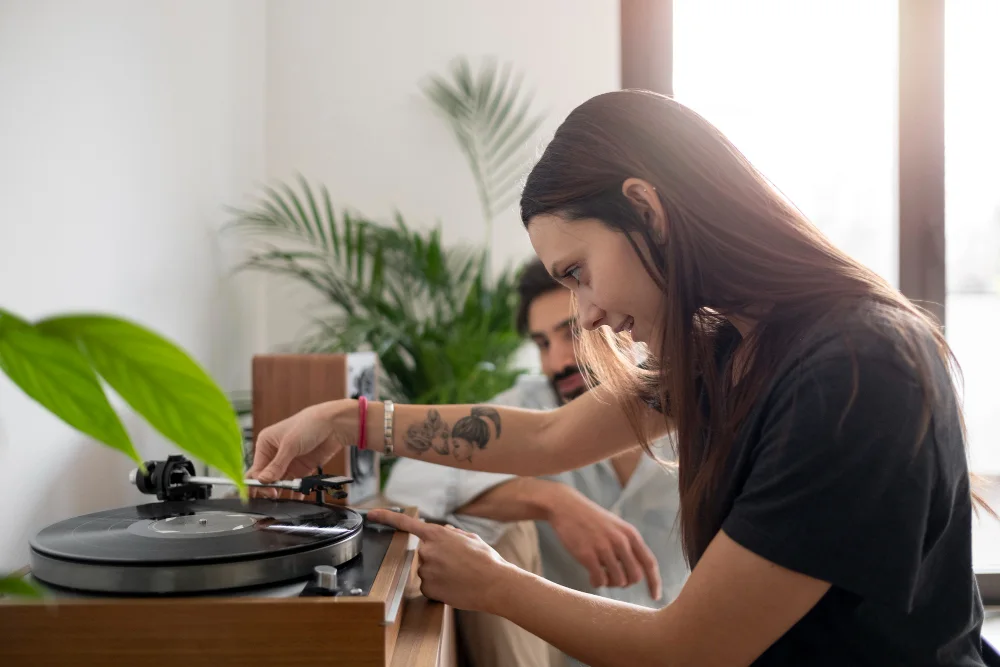
The electronic music scene is opening several doors for newcomers in early 2027. Beatport’s Next programme promises a year‑long mentorship for promising artists, while Red Rebel FM in Margate is delivering free DJ workshops for 18‑25‑year‑old FLINTA participants, backed by Youth Music and Beatport. At the same time, Inverted Audio’s Community Cuts vinyl series offers a regular platform for selectors to showcase their taste in a physical format, and Brooklyn’s Kou Records demonstrates how a community‑first label can keep momentum after an initial push. This guide strings those initiatives together into concrete steps you can act on right now.
Understanding and Applying to Beatport Next 2027
Beatport’s Next programme is positioned as a year‑long mentorship that pairs emerging producers and DJs with industry veterans, offering studio time, label support and curated performance slots. The initiative is open to artists who have released at least one track on a recognized digital platform, are based in Europe or North America, and can demonstrate a clear artistic vision. Past participants such as Lou Nour, Ma Sha and D Stone have gone on to secure regular gigs and release deals, showing that the programme can act as a springboard for a sustainable career. Applicants are expected to be between 18 and 30 years old and to provide proof of identity, a short bio and links to their most recent releases or mixes.
The application itself is a concise package: a one‑minute video pitch, a press‑ready biography of no more than 150 words, and a curated selection of three tracks that illustrate both current sound and potential growth. Beatport advises candidates to highlight any previous collaborations, live‑performance experience and how the mentorship would fill specific gaps in their development. It is also useful to reference the programme’s past alumni to show awareness of its impact, but the focus should remain on personal goals rather than generic enthusiasm. Before submitting, double‑check that all links are public and that the audio files are high‑quality, as the review panel will assess production standards as part of the selection process.
- Keep the video pitch under one minute and focus on a single compelling story about your music journey
- Select three tracks that showcase variety – one polished release, one experimental piece, and one live‑oriented mix
- Write a bio that mentions concrete achievements, such as festival slots or label releases, and ties them to what you hope to learn
- Proof‑read every field for spelling and ensure all URLs open correctly on mobile devices
- Reference past alumni like Lou Nour to demonstrate you understand the programme’s trajectory, but keep the narrative personal
Maximising Free DJ Workshops in Margate
Enrolling in the Red Rebel FM sessions is straightforward: first, visit the station’s website or the Youth Music portal and fill out the short registration form, confirming you fall within the 18‑25 age range and identify as FLINTA. Applications close a week before each monthly cohort starts, so keep an eye on the announcement dates, which are typically posted in early September for the autumn series. Once accepted, you’ll receive a brief schedule outlining a three‑hour practical class that runs over a weekend, covering beat‑matching, cue‑point placement and basic effects routing on industry‑standard gear such as Pioneer CDJs and a mixed‑deck setup provided by the venue. The curriculum also touches on set‑building theory, reading a crowd and basic music‑law basics, giving participants a rounded foundation beyond pure technical skill. Beyond the classroom, the real value lies in the network you build. Instructors are active DJs from local clubs and often have direct links to venue bookers; make a point to introduce yourself after each session and share a short mix that showcases the techniques you’ve just learned. The workshop’s community board, hosted on a private Discord channel, is the place where peers post gig alerts and collaborative project ideas, so stay active there and respond promptly to any offers. By following up with a concise, personalized email that references a specific skill you practiced—like a seamless transition you executed—you signal professionalism and increase the chance of being booked for a warm‑up slot at one of Red Rebel FM’s partner venues. Finally, treat the free class as a portfolio builder. Record a 30‑minute set during the final workshop showcase, then upload it to SoundCloud with clear tags linking back to Red Rebel FM and Youth Music. When you pitch yourself to clubs, include the link and mention the endorsement from the workshop’s lead instructor; this concrete evidence of recent training often convinces promoters that you’re ready for a paid residency or a one‑off night.
- Register via the Red Rebel FM or Youth Music website before the weekly deadline
- Attend the full three‑hour session to cover both technical and set‑building skills
- Introduce yourself to instructors and share a short post‑workshop mix
- Stay active on the workshop Discord to catch gig alerts
- Upload your final showcase set online and reference the workshop in pitches
Using Inverted Audio’s Community Cuts Vinyl Series
Inverted Audio’s Community Cuts series is a monthly, all‑vinyl release that invites emerging selectors to curate a 12‑inch record. To be considered, submit a short demo pack that includes a clear statement of the concept you want to explore, a tracklist of at least six tracks (your own productions or licensed cuts), and a brief bio that highlights any previous DJ gigs or radio shows. Labels of this type typically prefer a cohesive narrative over a random collection, so frame your selection as a story that reflects a specific scene, era or mood. When you send the package, follow the label’s preferred channel – usually a dedicated email address or a submission form on their website – and keep the subject line concise, for example “Community Cuts – [Your Artist Name]”.
If your submission is accepted, the physical vinyl becomes a tangible credential that can be shown to promoters, club bookers and fellow artists. A limited‑run record signals that you have passed a curatorial filter, which many venues treat as a mark of credibility. Use the release to update your press kit: add high‑resolution artwork, a short liner‑note excerpt, and the catalogue number. Distribute copies to local record stores, send them to radio hosts for airplay, and offer a few copies to influencers in exchange for social‑media mentions. The scarcity of a vinyl pressing also creates a sense of exclusivity; consider hosting a launch party where you play the record live, inviting local DJs and label reps to reinforce your network.
Beyond the initial release, stay engaged with the Community Cuts community. Attend the monthly listening sessions hosted at the Inverted Audio store, where you can meet other curators and discuss future collaborations. Offer to remix tracks from previous cuts or provide a guest mix for the label’s podcast – activities that keep your name circulating between releases. Finally, track the sales and streaming data that stem from the vinyl; many labels share these metrics with their artists, giving you concrete evidence of audience reach that you can cite when negotiating future gigs or label deals.
- Prepare a concise demo pack with concept, tracklist and bio
- Submit via the label’s official email or form, using a clear subject line
- Add the vinyl release to your press kit with artwork and catalogue number
- Distribute a few copies to local stores, radio hosts and influencers for promotion
- Participate in store listening sessions and offer remixes to stay visible
Adopting a Community‑First Label Model like Kou Records
Kou Records in Brooklyn shows how a label can stay vibrant by putting community before genre trends. After an artist gets early buzz, the label keeps the momentum by inviting collaborators to co‑produce, remix, or host listening sessions, turning each release into a shared event rather than a solitary drop. This approach encourages artists to view their label as a network hub, where feedback loops and cross‑promotion happen organically. For newcomers, mimicking this model means establishing regular meet‑ups—whether virtual or in a local studio—and encouraging peers to contribute to each other's tracks, remixes, or playlists. The resulting web of mutual support not only broadens exposure but also creates a pool of ready‑made content for future releases.
When planning a release strategy, think beyond the initial launch. Kou Records staggers its output, pairing a digital debut with a limited‑run physical format and a follow‑up remix EP, giving each song multiple life cycles. Emerging artists can adopt a similar cadence: release a lead single digitally, then schedule a small batch of vinyl or cassette copies for a niche audience, and finally invite a fellow producer to reinterpret the track. This layered rollout stretches promotional windows, keeps fans engaged, and generates additional revenue streams without requiring a massive budget. It also signals to venues and promoters that the artist is actively cultivating a catalogue, making bookings more likely.
Sustaining a community‑first label mindset also involves transparent communication about revenue sharing and rights. By clearly outlining how streaming royalties, physical sales, and sync fees will be split, a label builds trust and reduces friction as the roster grows. New artists should draft simple agreements that specify percentages for each income source and revisit them as the label expands. This clarity helps maintain goodwill, encourages collaborators to stay involved, and lays a solid foundation for scaling the operation beyond the first few releases.
- Host regular collaborative sessions (studio or online) to generate remixes and co‑productions
- Plan a staggered release: digital debut, limited physical run, then remix EP
- Create a clear, written split‑sheet for royalties and sync fees
Putting It All Together: A 12‑Month Action Plan
The first quarter should focus on securing entry points. By late January, submit a tailored application to Beatport Next, highlighting any previous releases or live sets and referencing alumni such as Lou Nour to demonstrate awareness of the programme’s pedigree. Simultaneously, enrol in the Red Rebel FM workshops that kick off in early February; these free sessions are aimed at 18‑25‑year‑old FLINTA participants and are backed by Youth Music and Beatport, offering both technical training and a built‑in network of peers.
In March and April, turn the workshop contacts into collaborative gigs. Use the relationships forged in class to organise low‑budget pop‑up sets at local cafés or community venues, recording each performance for a live‑mix release. By May, prepare a submission for Inverted Audio’s Community Cuts vinyl series, packaging a concise two‑track selection that reflects the aesthetic of the monthly all‑vinyl DJ series. A physical release here adds credibility and creates a tangible product to sell at gigs and online.
June marks the midpoint review. Assess the feedback from Beatport’s mentorship (if accepted) and the response to your vinyl. If the Beatport slot is secured, align its mentorship milestones with a second Community Cuts release slated for August, ensuring continuous output. Meanwhile, adopt Kou Records’ community‑first mindset: host a listening party, invite fellow workshop alumni, and use the event to crowd‑source ideas for the next release, reinforcing a supportive network that extends beyond any single label.
The final months, September through December, should consolidate the year’s momentum. Leverage any Beatport mentorship outcomes to pitch a debut EP to like‑minded independent labels, using the vinyl and live‑mix catalog as proof of consistency. Close the year with a small tour of regional venues, promoting the EP and the Community Cuts record, and set goals for the next application cycle, keeping the calendar populated with workshops, releases and community events for the following year.
- Submit Beatport Next application by late January; reference programme alumni to show fit
- Enroll in Red Rebel FM free DJ workshops in February and network with FLINTA peers
- Release a two‑track selection to Inverted Audio’s Community Cuts by May for physical credibility
- Mirror Kou Records’ community‑first approach by hosting a listening party and gathering collaborative ideas
- Plan a regional mini‑tour in Q4 to showcase the EP and vinyl, securing gigs for the next year
Key takeaways
- Apply to Beatport Next early and tailor your demo to the programme’s mentorship focus.
- Attend Margate’s free workshops, network actively, and request feedback on your sets.
- Submit a track for Community Cuts to gain vinyl credibility and reach collectors.
- Model your post‑launch strategy on Kou Records’ process‑driven, community‑centric approach.
Sources
- Applications open for Beatport Next Program 2027 — Mixmag, 17 Oct 2026 · our summary
- Margate radio station is offering free DJ classes for *FLINTA young people — Mixmag, 17 Oct 2026 · our summary
- Community Cuts: A Monthly All-Vinyl DJ Series at Inverted Audio Record Store — Inverted Audio, 17 Oct 2026 · our summary
- Kou Records Builds Community the Old-School Way — Bandcamp Daily, 14 Oct 2026 · our summary